Source Cleanroom ESD Flooring Tiles for Offices and Labs
Compare 30 cleanroom esd flooring tiles featuring PVC construction, anti-static properties, and waterproof durability. Options include 2.0-3.0mm thicknesses, puzzle patterns, and UV coatings for semiconductor labs, computer rooms, and electrical factories; compare the available evidence and request quotations based on your requirements.
Key considerations
Products List


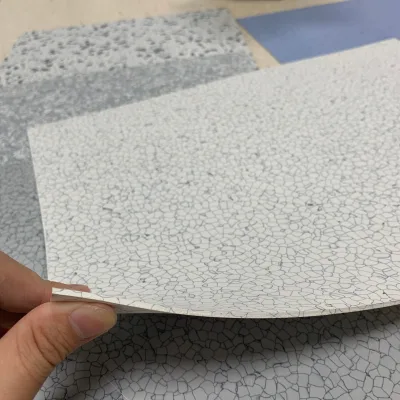

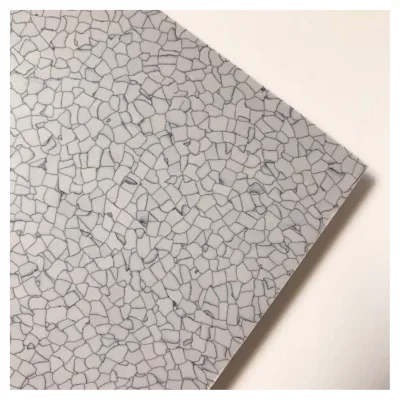


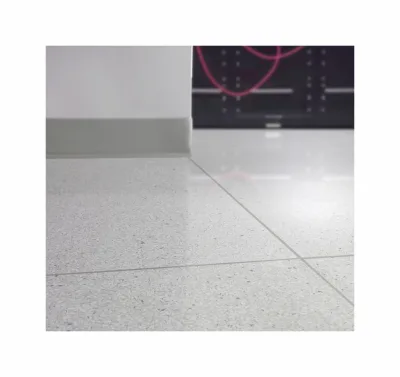
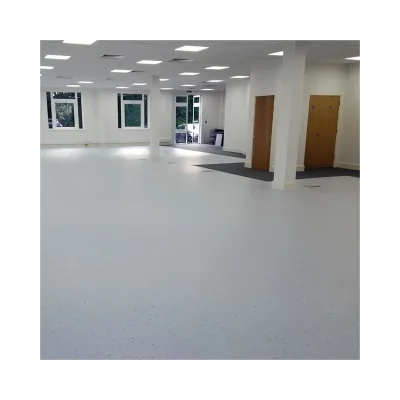
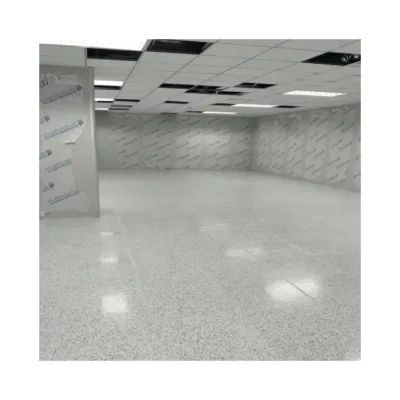


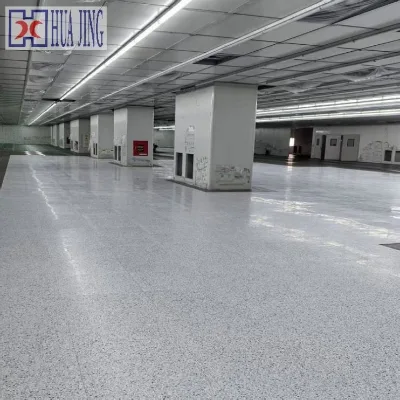
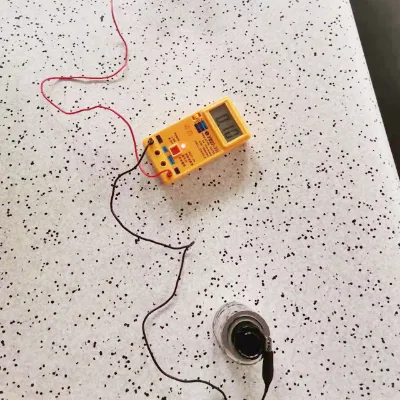
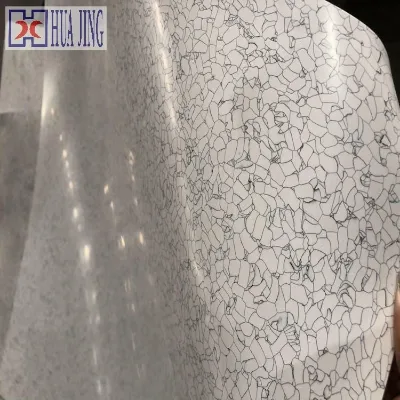


Comprehensive Sourcing Guide
Cleanroom ESD Flooring Tiles Sourcing Guide
Procuring cleanroom ESD flooring tiles requires a precise understanding of material composition and surface treatment to ensure static dissipation meets strict environmental controls. Buyers must evaluate whether the product utilizes PVC with conductive carbon additives, as this combination directly influences the electronic resistance range, typically observed between 10e4 and 10e6 Ohm for dissipative applications. The surface treatment, often involving UV coating, plays a critical role in enhancing durability and maintaining the integrity of the anti-static properties over time.
Selection also depends on the specific functional requirements of the installation site, such as offices, banks, computer rooms, or semiconductor labs. The tiles often feature a puzzle pattern for easy interlocking and maintenance, with standard dimensions like 600x600mm or 610x610mm available. Buyers should verify if the product is supplied in coils or individual tiles, as this affects installation speed and waste generation. Customization options for size and color are frequently available, allowing for tailored solutions that align with specific facility aesthetics and operational needs.
Product Scope and Observed Listing Signals
The market for cleanroom ESD flooring tiles presents a diverse range of products with varying thicknesses, typically spanning 2.0mm, 2.5mm, and 3.0mm. Observed listings indicate a price range that reflects these thickness variations and material quality, with minimum order quantities starting as low as two units for samples but scaling up to thousands for bulk orders. The weight per square meter, such as 3980g/m² for 2.0mm thickness, serves as a key indicator of material density and potential durability under heavy foot traffic or equipment loads.
Visual and functional attributes observed in listings include multi-color options and modern styles, which cater to commercial and sports applications alongside industrial settings. The slip resistance for wet conditions is rated at R9, a crucial safety factor for environments where spills may occur. Additionally, color fastness ratings of six or higher ensure that the flooring maintains its appearance despite exposure to light and cleaning agents. These signals help buyers assess the suitability of a product for high-visibility or high-traffic areas within a cleanroom facility.
Technical Specifications to Verify
Dimensional stability is a critical technical parameter, with specifications often requiring shrinkage or expansion to be less than or equal to 0.25%. Buyers must verify that the tiles maintain their shape and interlock integrity under varying temperature and humidity conditions common in controlled environments. The electronic resistance range must be confirmed to ensure it aligns with the specific ESD requirements of the facility, whether for dissipative or conductive purposes. This verification prevents static discharge events that could damage sensitive electronic components or compromise data integrity.
Thickness consistency and surface treatment quality are equally important for long-term performance. The standard thicknesses of 2mm, 2.5mm, and 3mm offer different levels of cushioning and durability, with thicker options generally providing better wear resistance. The presence of a UV coating enhances surface hardness and chemical resistance, extending the lifespan of the flooring. Buyers should also check the single package size and packing method, such as cartons with pallets, to ensure efficient logistics and protection during transit.
Compliance and Safety Documentation
Certifications such as ASTM, ISO, and CE are essential indicators of product quality and regulatory compliance. Buyers should request valid certification documents to verify that the flooring meets international standards for safety and performance. These certifications often cover aspects like fireproofing, anti-static properties, and environmental friendliness, ensuring that the product is suitable for use in regulated industries. The absence of valid documentation may indicate potential risks in terms of liability and operational compliance.
Safety features like fireproof and waterproof properties are critical for cleanroom environments where strict hygiene and safety protocols are enforced. The material should be non-toxic and environmentally friendly, aligning with sustainable procurement goals. Buyers must also verify the after-sale service offerings, including online technical support, onsite installation, and training, to ensure proper deployment and maintenance. These services are vital for resolving any installation issues and ensuring the flooring performs as expected over its lifecycle.
Cost Drivers and Commercial Terms
The cost of cleanroom ESD flooring tiles is influenced by material composition, thickness, and surface treatment. PVC with conductive carbon additives and UV coatings typically command higher prices due to their enhanced performance characteristics. Buyers should consider the total cost of ownership, including installation, maintenance, and replacement costs, rather than focusing solely on the initial purchase price. Thicker tiles may have a higher upfront cost but offer better durability and longer service life, potentially reducing long-term expenses.
Minimum order quantities and customization options also impact commercial terms. While some suppliers offer low MOQs for sampling, bulk orders may require higher volumes to achieve favorable pricing. Custom sizes and colors may incur additional charges due to production setup costs. Buyers should negotiate clear terms regarding shipping, packaging, and delivery timelines to avoid unexpected costs. Understanding these drivers helps in budgeting accurately and selecting suppliers that offer the best value for specific project requirements.
Supplier Qualification and Quality Control
Supplier qualification involves verifying their manufacturing capabilities, quality control processes, and track record in the industry. Buyers should assess whether the supplier has experience in producing flooring for cleanrooms and electronic plants, as this indicates familiarity with specific performance requirements. Quality control measures, such as regular testing of electronic resistance and dimensional stability, are essential to ensure consistent product quality. Suppliers with robust QC systems are more likely to deliver products that meet specified standards.
Origin and location of manufacture can also influence supply chain reliability and lead times. Suppliers based in regions with established manufacturing hubs, such as Shanghai, China, may offer competitive pricing and efficient logistics. However, buyers should also consider the supplier’s ability to provide onsite inspection and training services. A supplier that offers comprehensive support demonstrates a commitment to customer satisfaction and long-term partnership. Verifying these aspects helps mitigate risks associated with supply chain disruptions and product defects.
Long-Term Procurement Checks
Long-term procurement success depends on establishing a reliable supply chain and maintaining consistent product quality over time. Buyers should implement regular audits and performance reviews to ensure that the flooring continues to meet ESD and safety standards. Monitoring changes in material composition or manufacturing processes is crucial, as even minor variations can impact performance. Establishing clear communication channels with suppliers for feedback and issue resolution helps maintain product integrity and operational efficiency.
Sustainability and environmental considerations are increasingly important in long-term procurement strategies. Buyers should prioritize suppliers who demonstrate a commitment to environmental friendliness and sustainable practices. This includes using eco-friendly materials and processes that minimize waste and energy consumption. Regularly reviewing supplier performance against key metrics, such as delivery reliability and product quality, helps identify areas for improvement and ensures that the procurement strategy aligns with organizational goals. This proactive approach fosters a resilient and sustainable supply chain.
FAQs
What certifications do cleanroom esd flooring tiles have?
These tiles hold ASTM, ISO, and CE certifications for quality assurance. They are designed for use in offices, banks, and computer rooms while meeting strict safety standards for electronic plants and semiconductor labs.
How thick are the available cleanroom esd flooring tiles?
The standard thickness options are 2.0mm, 2.5mm, and 3.0mm. Specific models like the XYD series offer these dimensions to ensure durability and proper electrical resistance for various industrial applications.
Can I customize the size of these vinyl flooring tiles?
Yes, customized sizes are available to meet specific project requirements. While standard dimensions include 600x600mm, buyers can request tailored measurements for unique installation needs in cleanrooms or electrical factories.
What is the electrical resistance of these anti-static tiles?
The electronic resistance ranges from 10e4 to 10e6 Ohms for effective static control. This property ensures safety in computer rooms and semiconductor labs where sensitive electronic equipment is frequently handled.
Which materials are used to make these conductive flooring tiles?
These tiles are primarily made from PVC with conductive carbon additives. This composition provides waterproof, fireproof, and anti-static properties suitable for commercial and industrial environments requiring high performance.
How are these cleanroom esd flooring tiles packaged for shipping?
Products are typically packed in cartons placed on pallets for secure transport. This packaging method protects the tiles during transit from the origin in China to various international destinations.